Al-Mutanabbi
Abu al-Tayyib al-Mutanabbi · 915–965 CE · 303–354 AH

The Seeker of Glory

The poet the Arabs have recited for a thousand years — followed station by station, from his birth in Kufa to his death on the banks of the Tigris.

إِذَا غَامَرْتَ فِي شَرَفٍ مَرُومِفَلَا تَقْنَعْ بِمَا دُونَ النُّجُومِ

“If you venture after an honour men aspire to, be content with nothing short of the stars.”English prose rendering

Begin the journey

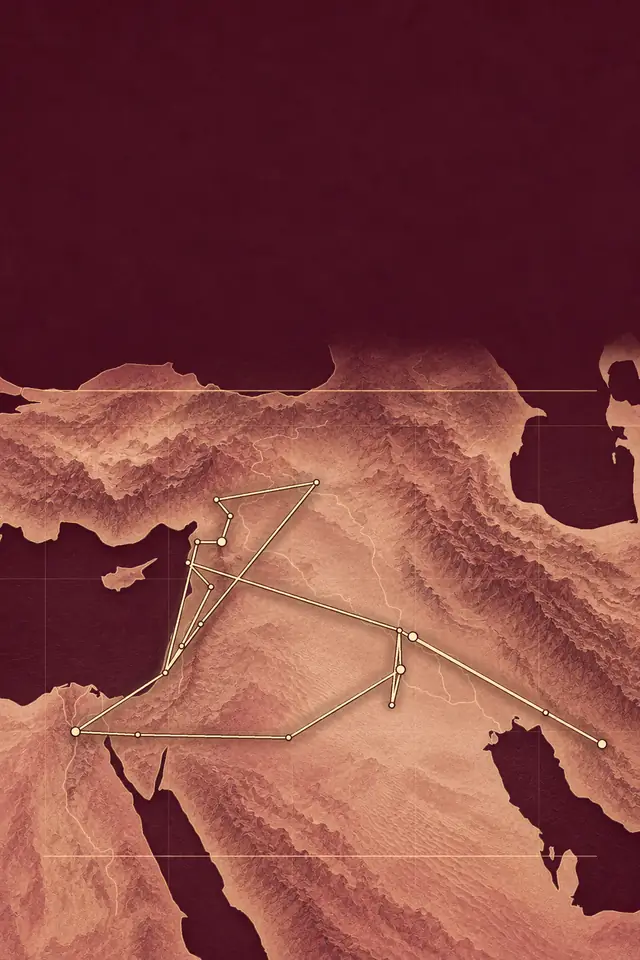
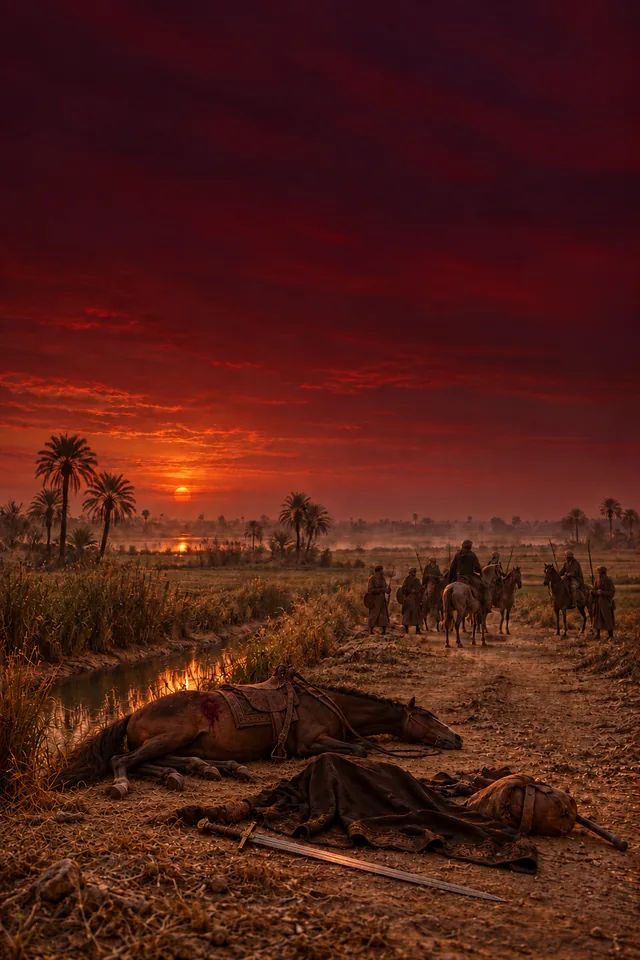
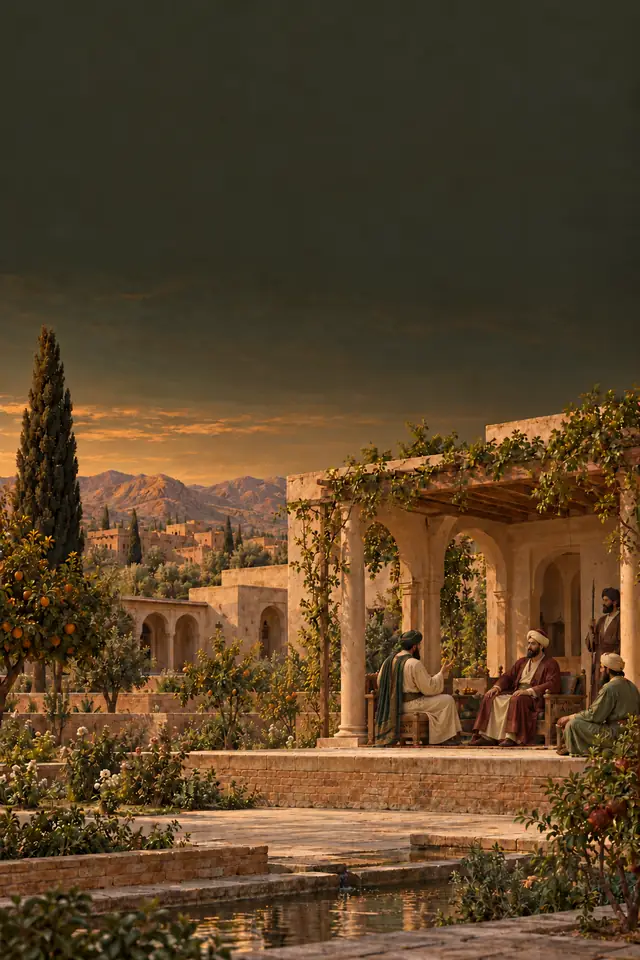
Born in Kufa, raised in the desert, he wandered the cities of Syria as a young man, spent nine years beside Sayf al-Dawla in Aleppo, stayed with Kafur in Egypt and fled him, praised ʿAdud al-Dawla in Shiraz — and was killed on his way home, on the bank of the Tigris. The kings are all gone; al-Mutanabbi remains.

The Journey

Twenty-two stations, from cradle to grave

Scroll, and the map follows him. Every station is told from the classical sources named beneath it; dates are given in the Hijri calendar (AH).

The Arabic site

Abu al-Tayyib, all in one place

The full site is in Arabic. It gathers his Diwan, fully vowelled; what he himself said in explaining his verses; four classical commentaries; his life from its sources; and the places he passed through or named.

The English renderings of his verses on this page are prose translations of the sense, not poetry.

A word from the project

Why this site

I have known Abu al-Tayyib since childhood. My mother would dictate a verse of his to me, and when I had learned it by heart she dictated the next; and my father kept books close to me until I grew fond of them. Then my mother gave me her own copy of his Diwan, and it became the dearest gift I was ever given.

Then I grew up, and whenever words failed me in some matter, I would find that a verse of his had got there before me, and I would quote it.

I wished to know when he said each poem, and where, and to whom, and what was said of it after him. When I went looking, I found it scattered across the diwans, the books of history, the commentaries and the geographical dictionaries; so this site came to gather what was scattered.

I wanted it to be a haven where the reader finds delight, the one who memorises finds help, and the researcher finds the means to be certain.

I thank Mr Saleh bin Abdullah Al-Khalifa for the counsel he gave. I ask God that it be of benefit, and that it repay some of what is owed to Abu al-Tayyib; as for what I owe my parents, that is a debt never to be repaid.

Translated from the Arabic.
Project supervisorAbdullah Ahmed Althunayyan